If you’re not familiar with sciatica pain, the term sciatica describes the symptoms of leg pain — tingling, numbness or — that originates in the lower back and travels through the lower body, down the large sciatic nerve in the back of the leg. This nerve pain is often characterized by one or a combination of the following:
- Constant pain in only one side of the buttock or leg
- Pain that is worse when sitting down
- Leg pain that is often described as burning, tingling or searing
- Weakness, numbness or difficulty moving the leg or foot
- A sharp pain that may make it difficult to stand up or walk
Symptoms can be very painful and potentially debilitating, and can range in location and severity. The symptoms occur when the sciatic nerve – the largest single nerve in the body — is irritated or compressed in the lumbar spine. Many people who experience sciatica get better withing a few weeks or months, but there are several symptoms that require immediate medical, and possibly surgical intervention.
Among the most common causes of sciatica are a herniated disc, degenerative disc disease, spinal stenosis and sacroiliac joint dysfunction. There are a number of other conditions that can cause sciatica, including pregnancy, scar tissue, muscle strain, a spinal tumor, and infection.
The pain and discomfort associated with sciatica can be severe, and over-the-counter or prescription medications are often used to reduce the pain. These can range from aspirin and acetaminophen to narcotic pain medications, depending on the doctor and the level of pain.
I talked about the serious side effects of NSAID drugs here, some of which include ulcers, nausea and intestinal cramping. A study from the China Academy of Chinese Medical Sciences found that sciatica can in fact be treated without the use of these potentially dangerous drugs.
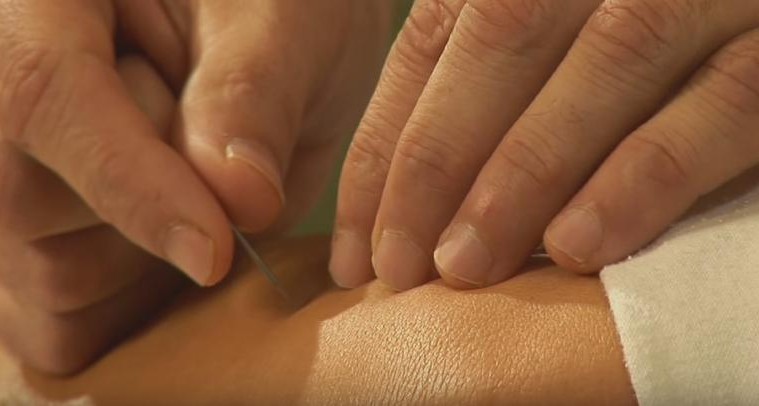
Researchers in the study analyzed 49 scientific studies over 12 years that investigated acupuncture on sciatica. From the 49, they narrowed it down to 11 controlled studies involving 962 participants. All of the studies used pain as a standard of measurement, and the research found, overwhelmingly, that acupuncture treatments resulted in less pain than drug treatments.
Six of the studies utilized electroacupuncture, three of them utilized warming acupuncture, and two of them utilized manually inserted needle acupuncture. The drugs tested against acupuncture in the study included diclofenac, nimesulide, ibuprofen, meloxicam and ibuprofen plus prednisone. Acupuncture proved to reduce pain more than each of these medications alone.
The side effects of acupuncture are also much less severe. In the study, there were only three adverse effects from acupuncture involving skin irritation. Of those who used the NSAID drugs for pain, 21 reported experiencing severe side effects.
Acupuncture has been used as a tool for pain for many years, and Western medicine has rediscovered it to relieve both immediate and chronic pain. It is used today as an adjunctive treatment before and after surgery, for patients with cancer, heart disease and other illnesses. If you suffer from sciatica, trying acupuncture may be a natural way to relieve symptoms without the risk of harmful side effects.
Check out the video below to learn more about the use of acupuncture for back pain:
h/t: real natural