Showing posts with label olive oil. Show all posts

Tuesday, 5 January 2016

3 All-Natural, DIY Recipes For Beautiful Red Lipstick

Wearing lipstick can make a woman feel bold, smart, sexy, and powerful. When you walk into a store, you'll find every shade of the rainbow and then some, but you'll also find harmful chemicals like lead, chromium, aluminum, and cadmium, all at potentially toxic levels.
Luckily, it's possible to avoid ingesting these toxic elements by making your own toxin-free lipstick!
Getting into the kitchen and making your own lipstick is like the adult version of arts-and-crafts class, but now you're making your own custom-blended lip shades.

Basic Natural Lipstick Recipe

You'll love this one — it's the most basic recipe and you can alter it any way you want to achieve your desired color and intensity.
Ingredients
  • 1 teaspoon coconut oil
  • 1 teaspoon shea butter or cocoa butter
  • 1 teaspoon beeswax pastilles
  • 1 drop essential oil for scent
  • 1 drop red food coloring for a red hue
  • ¼ teaspoon organic cocoa powder/cinnamon/turmeric for a brown hue
Preparation
Melt the beeswax, shea/cocoa butter and coconut oil in a glass jar with no lid by placing the jar in a small pot of simmering water. When the mixture has melted completely, take the jar off the heat and add any combination of the color and scent ingredients. Mix well. Use a dropper to carefully transfer the mixture to a glass container (it'll expand a bit as it cools so don't fill it all the way to the top). Store in a cool, dry place.

Red Beet-Based Lipstick

Another way to get a natural, intense red color is to use beetroot.
Ingredients
  • 1 tablespoon sunflower oil
  • Dried beet root, finely grated
  • 1 tablespoon beeswax
Preparation
Melt the sunflower oil and beeswax in a double boiler or in the microwave. Slowly add the beet root until you've achieved the color you want. Stir constantly. Transfer to a clean glass container and allow the mixture to cool.

All-Natural Lip Balm

For those days you don't want to wear any lip color but still want a way to moisturize your lips, this all-natural lip balm is the way to go.
Ingredients
  • 1 teaspoon beeswax beads
  • 3 teaspoons sweet almond or olive oil
  • Up to ⅛ of a teaspoon essential oil (cinnamon, peppermint, or lavender)
Preparation
Melt wax and oil together over low heat while stirring gently. Remove the mixture from heat and allow to cool for several minutes. Add the essential oil and mix well. Pour the mixture into clean containers and let cool completely.
Photo Credit: Stocksy

Monday, 21 September 2015

12 Quick Remedies For Toothache Emergency

image
Toothache pain can be extremely distracting and often become a sufferer’s sole area of focus. The time between experiencing toothache pain and seeing an emergency dentist can be excruciating. Tooth pain happens when the nerve is inflamed. Generally this occurs due to compromised enamel which is allowing material to enter directly into the pulp. Here are 12 home remedies for toothache pain.

12 Quick Remedies For Toothache Emergency

Baking Soda
Take a cotton swab and moisten it with a bit of water, dip it in baking soda (coat the swab really well with baking soda) then apply. You can also make a mouth rinse by mixing a heaping spoonful of baking soda in a small glass of lukewarm to warm water, dissolve the soda then swish the mixture in your mouth.
Oil Of Oregano
Mix a few drops with a bit of olive oil, then saturate a cotton ball with mixture. Can replace the olive oil with lukewarm water if preferred.
Salt Water
Salt reduces infection, pain, and inflammation. Warm salt water prevents the infection from spreading to other parts of the mouth. Mix a teaspoon of salt (either unrefined sea salt, Epsom salt, or ordinary salt) and a glass of warm water. Rinse your mouth with the solution.
Garlic
Garlic is nature’s most potent antibiotic. It prevents bacterial infection and contains sulfuric compounds including allicin which fight infection and inflammation. Apply the juice from crushed garlic to the infected area. Repeat regularly as needed.
Olive Oil
Olive oil contains a chemical called eugenol that kills bacteria and reduces pain. Use a cotton ball to apply olive oil to the affected area and sore gums. Repeat daily as needed.
Hydrogen Peroxide
Hydrogen peroxide is a natural disinfect that kills bacteria and relieves pain and inflammation. Mix 2 teaspoons of hydrogen peroxide and a tablespoon of warm water. Rinse your mouth with the solution without swallowing.
Cucumber
Slice a fresh piece of cucumber and hold it over the sore area. If refrigerated, you might want to bring the cucumber to room temperature before using (if sensitive to cold) otherwise a cool piece can be soothing.You can also mash a piece with a bit of salt and pack it around the sore tooth.
Wheatgrass
Simply chewing of wheatgrass leaves or using wheatgrass juice as a mouthwash is also helpful in fighting with toothache. Wheatgrass juice absorbs the toxins from gums, reduces bacteria, and avoids contamination.
Tea
Make a fresh cup of tea then take the used tea bag (still warm) and stick it in your mouth. Careful not to tear the bag. The tannins that are naturally in tea leaves can help numb things.
Alcohol
A bit of whiskey, brandy, scotch, or vodka can also be used as a natural home remedy for toothache. A strong mouthwash that contains alcohol will also be helpful.
Onion
Freshly cut onion can be placed on the area. Else, extract the juice of onion and apply on the troubled tooth with a cotton ball. Onion is a natural remedy to fix up the throbbing toothache. Onion is also considered as a natural antibiotic for curing tooth infection.
Cloves
Settle a dry stalk of clove onto the tooth. This is a helpful remedy in fixing up the toothache. A drop of clove oil or thick paste of ground clove with water or olive oil can also be used. Clove oil is an effective natural cure for fixing toothache from a broken tooth.
Sources:

Thursday, 28 May 2015

Effective Home Remedies for Ear Infections

earinfection
An ear infection is most often a bacterial or viral infection that affects the middle ear, the air-filled space behind the eardrum that contains the tiny vibrating bones of the ear. Children are more likely than adults to get ear infections.
Some causes and contributing factors that lead to ear infections are wax buildup, upper respiratory infections, food allergies, environmental allergies, fetal alcohol syndrome, genetics, nutritional deficiencies and internal injuries.
Before antibiotics, parents used home remedies to treat the pain of ear infections. Now, with current concern over antibiotic overuse, many of these remedies are again popular.
It is important to treat an ear infection to prevent complications, including damaging or rupturing the ear drum. Untreated ear infections can also lead to chronic recurrence and can even cause deafness! It is important to consult a doctor, especially if pus in coming out of the ear, but for immediate relief you can try some natural treatments.
Garlic has antimicrobial properties and natural pain relieving qualities, making it highly effective in the treatment of ear infections. There are a few ways to use garlic as a home treatment.
Make garlic oil by cooking two garlic cloves in two tablespoons of sesame oil or mustard oil until it turns blackish. Strain the solution. When it is bearably hot, use two to four drops of this oil in the infected ear as ear drops.
Alternatively, you can also boil two or three fresh garlic cloves in water for five minutes, then crush them and add some salt. Put the mixture in a clean cloth and place it against the affected ear.
Consuming two to three cloves of raw garlic daily also helps speed up the healing process.
Apple Cider Vinegar will help to get rid of the fungus that may be causing the ear infection.
Mix one part apple cider vinegar with an equal amount of water or alcohol. Soak a cotton ball in the solution.
Put the cotton ball in your ear like a plug and leave it for about five minutes.
Remove the cotton ball and lay down on your opposite side to drain the liquid from the ear. Use a hair dryer to dry your ear as much as possible.
If apple cider vinegar is not available, you can use white vinegar. If the cause of the ear infection is in the Eustachian tubes, try gargling with apple cider vinegar.
Salt is probably the most readily available home remedy.
Heat up one cup of salt on a microwave, pan, or double boiler for about three to five minutes.
Put the hot salt inside a thick cloth or sock. Seal the open end with a rubber band or tie a knot.
When it is bearably hot, lay down and put the cloth on the affected ear for 5 to 10 minutes.
Repeat this remedy daily as many times as needed. The heat generated from the sock will help draw out fluid from the ear and relieve swelling and pain.
Olive Oil can easily clear the obstruction.  One of the main causes of an ear infection is wax in the ear catching some fungal or bacterial growth leading to a blockage in the Eustachian tubes.
Warm some olive oil slightly. Put a few drops of the warm oil into the infected ear.
The oil will cause the wax to soften. Remove the infected wax with cotton-tipped swabs. Be careful not to put the swab too far in the ear or you might damage the eardrum.
Onion is a very common ingredient used in cooking. It has medicinal uses too, including for the treatment of an ear infection.
Chop one small onion, put it in a bowl and microwave it for one to two minutes. Allow it to cool and then strain out the onion juice. Put two to three drops of the juice in the infected ear, leave it for sometime and then turn your head to let it drain out of your ear.
You can also bake an onion for half an hour, cut it into halves and put one half in a thick cotton cloth. Place the cloth on the infected ear for five minutes. Wait for 10 minutes and then repeat the process.
Breast milk has natural antibodies that can help speed up the healing process of any kind of ear infection. It will alleviate swelling and discomfort and can get rid of an ear infection within one or two days. This remedy works for both children and adults.
Using a dropper, put a few drops of breast milk into the affected ear.
Repeat the process every few hours as needed.
Breast milk also can be used to treat eye infections, minor cuts and minor burns.

Tuesday, 28 April 2015

How to use turmeric as a potent cancer fighting food

turmeric
(NaturalNews) Turmeric is a spice that comes from the Curcuma plant. If you want to purchase fresh turmeric, you may be able to find it at a farmer's market. If not, look for it online.

The rhizome (commonly called a root) looks a lot like ginger root with its brown peel, but it is bright orange to yellow inside. You can cut it up, grate it, juice it, crush it through a garlic press, and add it to almost anything (smoothies, beans, lentils, quinoa, meat, etc.)

Dried turmeric is a powder whose color ranges from orange to yellow. You can make your own turmeric powder by peeling, boiling, drying, and then grating fresh rhizomes, but consume fresh, uncooked turmeric to maximize its health benefits. When using it in recipes that require cooking, try adding some before the cooking process, and then grate some fresh turmeric on top of the meal before eating.

In recipes, one tablespoon of fresh turmeric is equivalent to one teaspoon of dried turmeric for taste.

Turmeric is one of the basic and best known ingredients in curry (which is a combination of spices) and is a commonly used spice in Indian and Asian cooking. It is delicious in salad dressings or heavily sprinkled on salads, and it is a welcome addition to vegetable dishes, dips, and sauces.

Health Benefits of Turmeric

Turmeric, with its active ingredient, curcumin, is a potent anti-inflammatory and antioxidant with numerous medicinal uses. The more serious diseases treated and prevented with turmeric include inflammatory bowel diseases, rheumatoid arthritis, cystic fibrosis, Alzheimer's, diabetes, and cancer.

Numerous studies have shown that turmeric helps the body destroy cancer cells, helps prevent tumor formation, slows or inhibits the spread of cancer cells, and induces apoptosis (cell suicide) of mutated cancerous cells.

How To Consume Turmeric For Maximum Benefit

Research shows the combination of onions and turmeric (combining quercitin and curcumin) reduces both the size and the number of precancerous lesions in the intestinal tract.

The combination of curcumin and phenethyl isothiocyanates, a photochemical found in cruciferous vegetables such as cauliflower, pack a powerful punch. In mice studies, each nutrient retarded prostate cancer cells, but when combined, these two nutrients significantly reduced tumor growth and the ability of the cancerous cells to metastasize.

Curcumin is fat soluble. Mixing curcumin with fat significantly aids in absorption. Black pepper increases curcumin's potency by 1000 times. Mix it with olive oil or coconut oil. Sprinkle turmeric on an avocado. Blend it into coconut and avocado smoothies.

For the best results, choose the highest quality, fresh, organic turmeric, fresh organic pepper, and organic, beneficial fats. Check out this Enhanced Golden Milk Tea Recipe, and see Foods, Vitamins, and Herbs That Kill Cancer for more cancer fighting foods.


Sources:

http://www.organiclifestylemagazine.com

http://naturalsociety.com

http://running.competitor.com

http://truthwiki.org/Turmeric

by Kali Sinclair

http://www.naturalnews.com/049505_turmeric_curcumin_absorption_health_benefits.html

Saturday, 10 January 2015

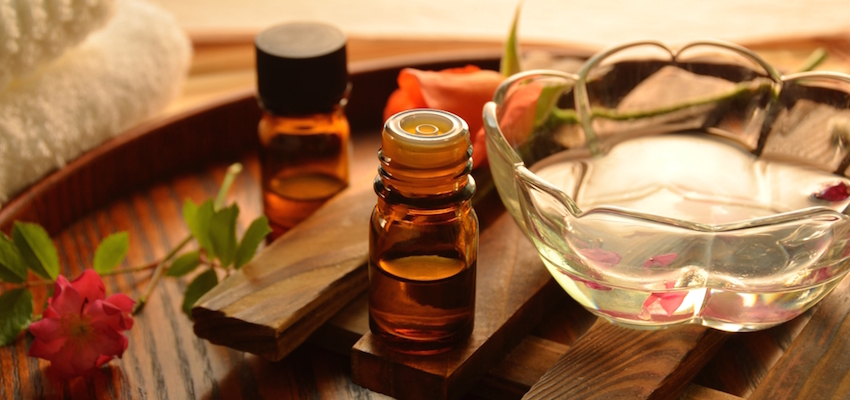
7 Essential Oils To Balance Your Chakras


Essential Oils are a great tool to help with physical ailments and spiritual growth.
These oils have been around for centuries and are making a comeback into our modern day lives. Use these oils in addition to other tools like yoga, to help bring balance to your chakra system.
The essential oils can be mixed with coconut or olive oil, and applied topically by rubbing on the feet or corresponding chakra area. Alternatively, try an aromatherapy approach by using a diffuser, or or diluting in tea or water. You can also ingest these oils in capsule form.
1. Root Chakra (Muladhara)
Located at the base of spine in tailbone area, this is where our sense of security lies.
  • Use patchouli for an enhanced sense of grounding and stability.
2. Sacral Chakra (Svadhistana)
The lower abdomen, about 2 inches below the navel and 2 inches in  our creativity and sexuality.
  • Ylang Ylang and sandalwood both act as an aphrodisiac to aid in our sexual and reproductive energies.
3. Solar Plexus Chakra (Manipura)
The upper abdomen, in the stomach area  our self-esteem and confidence. 
  • Use cinnamon to help heat up this power center, or peppermint to cool any excess fire in the system.
4. Heart Chakra (Anahata)
Located in the center of chest just above heart.
  • The scent of rose is related to our heart, and enhances romance and love. It is also helpful for alleviating depression and insomnia.
5. Throat Chakra (Vishudha)
Located in the throat — the center for self-expression.
  • Use eucalyptus to help clear sinuses and cure a sore throat or coughing, allowing this passageway to become free and clear for self-expression.
6. Third Eye Chakra (Ajna)
At the forehead and in between the eyes is the gateway to our intuition.
  • Lavender oil is incredibly calming and great for headaches; a common occurrence whenever your third eye is blocked. We can calm the active mind with lavender to reach a higher state of consciousness.
7. Crown Chakra (Sahasrara)
The very top of the head is our universal connection to beauty and spirituality.
  • Frankincense is one of the most spiritually-charged oils. It has been around for thousands of years, and brings us mental peace and clarity.

Photo Credit: Shutterstock