Showing posts with label sugar. Show all posts

Sunday, 10 July 2016

Five ingredients that poison your brain

Brain health
(NaturalNews) There is no shortage of things driving us crazy in the world today, but there are some things that could do it in a shorter amount of time. These gut disturbing, liver compromising, and brain damaging ingredients have come from the "infinite genius" of man, and have clearly ruined our ability to think clearly.

Avoid these 5 ingredients scrupulously, and watch your brain function improve:

Gluten

Gluten is a common protein molecule found in wheat, barley, rye, kamut, and spelt. This sticky protein binds to the small intestinal wall where it can cause digestive and immune system disorders. Celiac disease is the most common condition associated with gluten sensitivity. However, there is also a condition termed non-celiac, gluten sensitivity (NCGS), and it is a major factor in the inflammatory disorders of the brain and nervous system.

Studies have shown many associations between gluten sensitivity and disorders in every part of the neurological system including the brain, spinal cord, and peripheral nerves. Gluten has been shown to be a big trigger in psychiatric disorders, cognitive impairment, dementia, and virtually every other neurological disorder.

Artificial Sweeteners

Whether it is aspartame (or AminoSweet), sucralose (Splenda), or saccharin (Equal, Sweet 'N Low), artificial sweeteners so popular due to their zero calorie marketing, have been poisoning brains for decades. Aspartame is a combination of chemicals, namely aspartic acid (an amino acid with excitatory effects on brain cells), methanol, and phenylalanine, and when broken down produces a compound that is a powerful brain-tumor-causing chemical.

Aspartame consumption causes a variety of symptoms including anxiety attacks, slurred speech, depression, and migraines. It and other artificial sweeteners can be found in sodas, yogurt, chewing gum, cooking sauces, tabletop sweeteners, flavored water, cereal, and sugar free products.

Monosodium glutamate (MSG)

MSG is a form of concentrated salt added to foods to enhance flavor. It tricks the taste buds and the brain into thinking food tastes delicious, but as an excitotoxin, it triggers the brain to produce excess quantities of the feel-good drug, dopamine. Unfortunately, the good feelings don't last, but the side effects do. Excitotoxins have been linked to brain damage and other neurological diseases including Parkinson's, Alzheimer's, dementia, MS, lupus, and more.

Be on the look out for MSG in any processed products, including "healthy" snacks, salad dressing, barbecue sauce, bouillon cubes, and canned soups and vegetables.

Refined Sugar

Refined sugar has become one of the most prolific ingredients in our food, and one of the most dangerous. Its constant consumption has been linked to many different health problems, all which have a negative effect on the brain.

Refined sugar consumption suppresses brain derived neurotrophic factor, or BDNF, a very important growth hormone for the brain. This factor triggers new connections between neurons in the brain that are vital for memory function. Studies have shown low BDNF levels in patients with depression and schizophrenia, and the consumption of sugar could exacerbate those conditions by further contributing to those low levels.

Refined sugar also increases inflammation, which can disrupt the digestive and immune systems. If this inflammation is chronic, it can lead to a higher risk of depression and schizophrenia. Dr. Ilardi, associate professor of psychology at University of Kansas, encourages depressed patients to remove refined sugar from their diets, and those who were willing to comply reported significant improvements in mental clarity and mood.

Fluoride

The decision to add fluoride to public drinking water has had perhaps one of the most dangerous and widespread effects on our overall health, most notably the brain.

The Fluoride Action Network (FAN) reported a study that found fluoride was linked to lower IQ, even at ranges added to U.S. water supplies. One study sponsored by UNICEF found that IQ was reduced at just 0.88 mg/l of fluoride, a level that is added to U.S. drinking water systems and considered within the optimal range.

FAN also stated that 34 studies now link fluoride to lower IQ levels in humans, while other studies link it to learning and memory impairment, fetal brain damage, and altered neurobehavioral function.

These 5 ingredients can be relatively easy to avoid, with the right motivation and knowledge. However, some of them can be tricky. To learn more about MSG and the dozens of other names it can go under, read What is MSG? Side Effects Explained and see this article for brain health (check out the brain tonic recipe). To find out how to choose a water solution that is free of fluoride, check out this Guide To Drinking Water.See the first source below for more on brain health.

Sources:
http://www.organiclifestylemagazine.com

http://www.healingthebody.ca
http://www.organiclifestylemagazine.com
http://www.healingthebody.ca
http://www.naturalnews.com


by: Derek Henry

http://www.naturalnews.com/049315_brain_health_poisonous_ingredients_chemicals.html


Saturday, 2 July 2016

YOU SHOULD STOP EATING NUTELLA BECAUSE OF THIS!

nutella
Ah, Nutella.
It’s one of those things that’s almost synonymous with happiness to many. One Vice writer even dubs the act of eating it straight from the jar a “subcultural ritual.
There are donuts filled with it,  and giant Nutella tubs for sale on Amazon.
Needless to say, it tastes pretty marvelous.
It’s also poisoning your family.
No, you’re not all going to keel over and die in the next hour. But you will potentially suffer several long-term health effects if you continue eating it on a regular basis.
Let’s start by looking at the ingredients of Nutella.

What’s in the Jar?

According to Nutella themselves, the product contains the following:
  • Sugar
  • Palm Oil
  • Hazelnuts
  • Cocoa
  • Milk
  • Soy Lecithin
  • Vanillin
You see, it’s not produced from the sort of soy you might associate with long-living Asian populations who consume high amounts of fermented soy products. Rather, it’s a non-fermented, genetically modified type of soy that the body has a hard time digesting.
Further, two tablespoons of Nutella contain a whopping 200 calories, 11 grams of fat and 21 grams of sugar, about half as much as a can of Coke.
And that’s just two tablespoons. If you know anything about Nutella consumption, you’ll know that’s a drop in the bucket compared to what many people eat in one sitting.

The Worst Part

We haven’t even touched the worst ingredient in Nutella yet, which is…
Vanillin.
No, it’s not vanilla as you might think. Vanilla is an aphrodisiac, a stress reliever and mood booster. Vanillin is imitation vanilla, or ‘vanilla flavor.’ It’s a low quality sweetener produced to taste just like vanilla.
And the worst part about it is that it contains unlabeled MSG, which has been dubbed a “slow poison.” It has zero health benefits and has been linked to a triggering of brain chemicals similar to those associated with addiction.
MSG is also associated with ALS, a condition for which there is no known cure.

Palm Oil – Also Bad

The palm oil contained in Nutella is also not the most friendly substance.
It is difficult to digest and can cause toxicity in the heart, kidney, liver, lungs and reproductive organs.
The Center for Science in the Public Interest also reported that palm oil raises blood cholesterol levels, which is a risk factor for heart disease.
And it’s not just the human body that’s being harmed by palm oil. Many animals are facing extinction as their habitats are destroyed by its production.

So What Now?


Yeah, I’m pretty bummed too.
The famous hazelnut spread is one of my favorite things to eat. But does the poisonous nature of Nutella mean we should all doom ourselves to an existence fueled by fruit jam and peanut butter alone?
No, of course not!
If you like hazelnut spreads, you have a few options. The most appealing is making your own!
Check out the following POPSUGAR Food tutorial to making your very own tasty Nutella that’s even better than the original.
Ingredients:
  • 8 oz roasted, skinless hazelnuts
  • 1/3 cup cocoa powder
  • 1 cup powdered sugar
  • 2 tbsp hazelnut oil
  • 1 tsp vanilla extract
  • 1/8 tsp salt
See? All-natural ingredients you can source on your own!
Check out the video below for instructions on whipping these ingredients up into your very own tasty spread.

[h/t: www.livingtraditionally.com]

Sunday, 26 June 2016

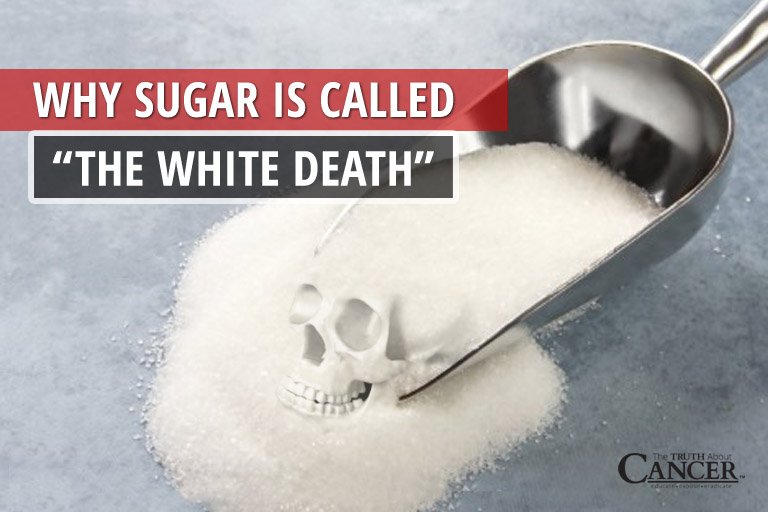
Why Sugar Is Called "The White Death" and the Sugar Cancer Connection

Why-sugar-called-whiteDeath
As good as it may taste, sugar is NOT your friend. It may “feel” like your friend when it comforts you (due to the beta-endorphin rush in your brain), but sugar is really your ENEMY.
Truth be told, regular consumption of sugary foods is one of the worst things that you can do for your health. Modern scientific research has shown us, beyond a shadow of a doubt, that sugar in your food (in all its myriad forms) is taking a devastating toll on your health.
Take a look at the sugar consumption trends over the past 300 years:
  • In 1700, the average person consumed about 4 pounds of sugar per year.
  • In 1800, the average person consumed about 18 pounds of sugar per year.
  • In 1900, individual consumption had risen to 90 pounds of sugar per year.
  • In 2012, more than 50% of all Americans consumed 1/2 pound of sugar per day — translating to a whopping 180 pounds of sugar per year!
In 1890, only 3 people out of 100,000 had diabetes. In 2012, almost 8,000 out of every 100,000 people was diagnosed with diabetes!

Origins 

Creating Our Addiction to Sugar

The “sugar rush” has been targeted at our children. American children are consuming about 10 times as much sugar as they were in 1900, especially in the form of high fructose corn syrup (HFCS), which is the average American’s greatest source of calories! Highly addictive HFCS contains fructose and glucose, but they are NOT bound together (as they are in table sugar) so the body doesn’t need to break it down. Therefore, the fructose is absorbed immediately, going straight to the liver, which turns it into fat (VLDL and triglycerides).
According to Dr. Joseph Mercola:
“Fructose also tricks the body into gaining weight by fooling your metabolism (it turns off the appetite-control system). Fructose does not appropriately stimulate insulin, which in turn does not suppress ghrelin (the “hunger hormone”) and doesn’t stimulate leptin (the “satiety hormone”), which together result in your eating more and developing insulin resistance.” This process also suppresses the immune system.
But just because you avoid HFCS doesn’t mean that you’re in the clear. Excess intake of ALL processed sugars results in compromised immune function (decreasing the white blood cells’ ability to destroy bacteria), obesity, and diabetes.
And if that’s not enough, keep in mind that sugar is HIGHLY addictive! That’s right! Dr. Serge Ahmed of Bordeaux, France, has been working with rats and giving them the choice between cocaine and sugar. Guess which one wins, time and again?
That’s right… sugar!
It turns out that the sweet taste of sugar is more rewarding than the high of cocaine.
You see, sugar produces dopamine − a happy, feel-good chemical − in the brain. People get addicted to eating sugar, whereby they need it to feel “normal” and they undergo “withdrawal” if they cut sugar from their diets. If they go “cold turkey” for a few days, their brain will begin to produce dopamine on its own, but the discomfort of the withdrawal process keeps many “sugar addicts” trapped in their addiction.
  Free_Foundation_Sample

What is the Sugar Cancer Connection?

Due to the anaerobic respiratory mechanism exhibited by ALL cancer cells,sugar is cancer’s favorite food! And since half of the white sugar in the USA comes from sugar beets, you should remember that most beets are now genetically modified. This is another reason to stay away from the “White Death,” isn’t it?
I personally recommend that you avoid white sugar, brown sugar, agave, and all artificial sweeteners such as aspartame/AminoSweet, sucralose, and saccharin. If you have a sweet tooth, it’s best to stick with 100% pure stevia, xylitol, raw honey, pure maple syrup, molasses, and coconut sugar.
The bottom line: if you want to be and stay healthy, you MUST take control of your sugar intake so that it doesn’t take control over you.

Ending the Sugar Confusion

It’s easy to become confused by the various sugars and sweeteners, so here is a basic overview:
  • Saccharide = sugar
  • Glucose (aka “dextrose” or “grape sugar”), galactose (“milk sugar”), and fructose (“fruit sugar”) are all “monosaccharides” (i.e. single sugar molecules), known as “simple sugars.” The primary difference between them is the way your body metabolizes them.
  • Glucose is a form of energy you were designed to run on. Every cell in your body uses glucose for energy.
  • High amounts of fructose are very damaging to the body if it isn’t burned immediately for energy because it travels directly to the liver where it’s converted to triglycerides (fats). Excess triglycerides increase insulin resistance (and insulin production), thus contributing to diabetes in a “back door” fashion.
  • The simple sugars can combine to form more complex sugars, like sucrose (“table sugar”) which is a “disaccharide” comprised of 50% glucose and 50% fructose.
  • “Refined” white sugar (pure sucrose) is washed with a syrup solution, then with hot water, clarified (usually chemically) to remove impurities, decolorized, concentrated, evaporated, re-boiled until crystals form, centrifuged again to separate, then dried. By this point, any remnants of “natural goodness” and “nutritional value” have completely disappeared! Quite frankly, white sugar should be considered an “industrial product” rather than “food.”
  • “Brown sugar” is white sugar mixed with molasses.
  • “Raw” sugar is not really raw. It has been cooked, and most of the minerals and vitamins are gone. But it’s probably a little better than refined white sugar because it has a little of the molasses remaining.
  • Aspartame or AminoSweet is a neurotoxic rat poison… need I say more?
  • Splenda (sucralose) is NOT a sugar, despite its deceptive marketing slogan, “made from sugar.” It’s a chlorinated artificial sweetener in line with aspartame, though not quite as harmful.
  • Honey is approximately 50% fructose, but in natural (raw and unpasteurized) form contains many health benefits. Buying honey that is local and unpasteurized is best.
  • Stevia is an extremely sweet herb derived from the leaf of the South American stevia plant, which is completely safe (in its natural form). Green stevia is the whole plant, while white stevia is processed and can often contain other ingredients like natural flavors or dextrose − a form of sugar. 100% green stevia in its natural state is what you want.
  • Agave nectar is made from the agave plant, which is a cactus. Sounds natural, right? Like maple syrup from a tree, or honey from a beehive. Only it isn’t. Agave is HIGHLY processed while the end product does not even remotely resemble the original agave plant. Furthermore, agave is approximately 80% fructose (much higher than honey and maple syrup).
  • HFCS (high fructose corn syrup) is 55% fructose and 45% glucose. It is mostly genetically modified. Stay away!
  • Rapadura is the pure juice extracted from the sugar cane (using a press), which is then evaporated over low heat, whilst being stirred with paddles, then sieve ground to produce a grainy sugar. It has not been cooked at high heats or spun to change it into crystals, and the molasses is maintained in the sugar. “Sucanat” is the USA trade name for Rapadura.
  • Coconut sugar is made from the sweet watery sap that drips from the cut flower buds of the coconut palm. It has a low glycemic index (GI) and is rich in amino acids. It is typically less than 10% fructose, with sucrose being the primary component.
  • Xylitol is a sweetener known as a “sugar alcohol” (or polyol). Sugar alcohols are neither sugars nor alcohols − they are carbohydrates (with structures that happen to resemble sugar and alcohol). Xylitol is extracted from corn or birch cellulose. Unlike sugar, Xylitol is slowly absorbed, does not cause a rapid blood sugar increase, and does not require an immediate insulin response from the body to be metabolized. Moreover,  many studies have shown that it actually helps prevent dental cavities, ear infections, and some evidence suggests that it helps prevent gum disease because Xylitol is anti-bacterial. However, Xylitol does have some potential health side effects (most notably gastrointestinal issues) and should be used with caution.
By Ty Bollinger

Wednesday, 4 May 2016

Sugar Detox: Completely Detox From Sugar In Just 10 Days


Sugar is present in almost everything that is packaged or processed. Not only subtly and incredibly addictive, it is terrible for the body. It's a leading cause of diabetes, obesity, heart issues, and liver issues.
Don't underestimate the significance of this ten day task, studies have found sugar to be as addictive as heroin! At the end of your trial, you will feel better, have renewed energy, better stamina, superb focus and a healthier weight. Below we have some tips and tricks to help you along.

Reaffirm Your Decision To Quit

Write a list of the reasons you are quitting. Copy it on to different pieces of paper. Put copies of it on the fridge, in the bathroom by your mirror, at you're desk or locker at work and in your car by the dashboard. Be sure to let people know what your doing. You will want the support, trust me.

Get Rid Of All The Sugar In Your House And Commit

Cold turkey is the best way to do this. Don't worry, you're not white knuckling it, or free falling in anyway. You are making a dramatic life change, with positive intentions and the support of people you care about. THIS IS GOING TO BE DIFFICULT. Remember the reasons you are doing this and think about how great you will feel after word.
Mother's Day Preview! $10 Off $60 Or $15 Off $80 + Free Shipping. Puritan's Pride brand. See Details. Code: LUVMOMS.

Be Wary Of Drinking Your Calories

Drinking sugar is not only really easy to do, but it is worse for you than eating it. It absorbs into the body way easier. It's like mainlining sugar directly to your liver and fat deposits. Gatorade, soda, tea, even Odwalla and other 'health juices' have a fair amount of sugar. To be honest, you will have to avoid most things in a bottle for these ten days.

Protein Is Your Best Friend

EVERY MEAL SHOULD HAVE PROTEIN! No exception! Especially breakfast, this will balance your blood sugar, insulin and cut cravings. Be sure to eat something in the first hour of waking up. 

No Carb Limit (The Right Carbs)

Scratch the starchy options like bread, potatoes, noodles, beets and winter squash. You will be eating a lot of vegetables during this time, but you can eat as much as you like. Green veggies like anything in broccoli family, asparagus, green beans, mushrooms, onions, zucchini, tomatoes, fennel, eggplant, artichokes, and peppers, are just a few of the best options. Remember it's just for ten days!
Mother's Day Flowers From Petals Network

Get Comfortable With Your Fats

Fats have gotten a bad rap. they are a necessary part of any diet and don't actually make you fat, that's sugar. Fats will help in this process as they help you feel full and will help you fight cravings. Fats from nuts, seeds, extra virgin olive oil, coconut butter, avocados and fish will help you refuel your cellular health. Make sure to eat some fats with every meal.

Be Prepared

Your blood sugar will flux intensely over this time period. At any time in these ten days, you blood sugar could drop, so don't drop your guard at anytime. Be prepared for dramatic mood swings as well. Keep your reasons in mind, and snacks handy. You will want fats and proteins in your emergency pack, nuts and jerky would be a good start.

Actively Fight Inflammation

Sugar, flour, gluten, trans fats and dairy are triggered by inflammation. You will feel lousy for the first two to three days but soon after, you'll start to feel like a brand new person!

Get Rest!! Make Sure To De-Stress

As with any detoxification process, rest is crucial. Your body is not only purging sugar and its toxic by products, but healing from the effects and process. This means your body will be working overtime during the ten day period. Make sure to get as much rest as you can. Also if you don't get enough rest it can trigger cravings, making the process even harder.
You will have energy fluctuations and mood swings as well. be sure to take extra time to destress and relax from the day's trials. Take it easy during this time, your body is working harder than you realize.

Wednesday, 20 April 2016

7 Habits That Aren’t As Healthy as You Think

image

If you want to improve or maintain your health, you might be surprised to learn that you’re doing things — things you think are healthy — that get in the way of such goals. You may believe your habits are ideal due to the health trend of the moment or widely-embraced studies that seem to suggest so, but just the opposite may be true. Here are seven habits that you may think are healthy which, in reality, are not at all.

1. You’re always doing a detox
Detoxing, which typically includes juicing but isn’t limited strictly to that way of eating, often involves elimination of foods in an effort to purge toxins from your system. You might have engaged in a detox after a weekend of bad eating or in an effort to shed weight quickly before a big event. Unfortunately, both of those ideas are unhealthy. When practiced regularly, they may make you more inclined to eat poorly afterwards, now that the detox is over and your goal was temporarily met. Therefore, you may continually justify your bad eating habits with the notion that you’ll simply undo unhealthy dietary choices with a get-back-in-shape detox. While detoxes can flush toxins from your body, the reality is that continual engagement in this yo-yo process wreaks havoc on your health because you’re constantly subjecting your body to extremes with hardly any middle ground.
2. You juice all the time
Some people say juicing is great method of delivering nutrients to your body with more immediacy, and that it’s an easy way to obtain foods you otherwise wouldn’t enjoy or take the time to prepare. Others, however, claim that juicing prevents you from getting the full range of nutrients from foods, since it often leaves behind fiber-rich pulp. They also say that just one juice can vastly increase your caloric intake. For example, pineapple has about 83 calories per cup. To enjoy a juice made from fresh pineapple, you’d end up consuming more of the fruit to create one cup, which comes in at around 120 calories.
The general thought is that it’s best to provide your body with a range of foods and in a variety of forms: juiced, blended, steamed, baked, roasted, and so on. A strict juicing lifestyle has the potential to interfere with muscle mass, metabolism and nutrient absorption.
JuiceBeauty.com April GWP

3. You exercise excessively
Unless you’re training for a marathon or are a pro-athlete, excessive gym time can be incredibly harsh on your body and mind. Not only can it result in serious muscle tears (beyond what normally occurs), but not taking it easy enough prevents your body from getting the internal repairs it needs.
Mentally, you need a break too. When I lost a great deal of weight, I admit that I became obsessed with the gym. I’m here to tell you that doing so — along with my less than healthy eating patterns — not only left me too thin, but drained my mind and my relationships. Fitness is important, but if it’s something you obsess about then you may be jeopardizing your physical and mental health.
4. You go on a diet
It’s my belief that going on a diet is more psychological than anything else; thinking in terms of going on a diet conveys a succinct start and end time that can lead to the return of unhealthy eating habits. Furthermore, many diets are filled with foods that are so limiting that you may experience significant setbacks if you fall off track even slightly. Diets are often full of deprivation and challenges that can get in the way of weight loss.
You can improve your mindset by couching your improved ways of eating in terms of a lifestyle change instead of being on a diet. Let go of the “d” word and focus on the fact that you’re doing something good for the long haul.
5. You drink too much wine
Many people tend to gravitate towards a glass of wine (or two) at the end of the day to relax. Or, they cling tightly to studies that indicate the health benefits of wine and end up going overboard. In that case, experts say that these findings shouldn’t be your green light to indulge in a bottle of red wine nightly. Instead, the recommended intake is a glass a day for women and two glasses daily for men. It’s no secret that too much alcohol can lead to headaches or risky behaviors that can harm emotional and physical health, so go easy on your intake.
Origins

6. Diet soda’s a part of your daily routine
If you reach for diet soda because the word “diet” sounds healthy and you enjoy the low or zero-calorie promise, you’re harming your health in the long run. They’re packed with unhealthy sugar alternativessuch as aspartame, which have been found to break down in the body with very unhealthy results. Dizziness, headaches and even brain tumors are said to be linked to ingestion of aspartame, which sweetens all of those diet sodas (and other diet products). Additionally, artificial sweeteners have been found to increase your food cravings, fueling your appetite for items that can throw weight loss or weight maintenance efforts off track.
7. You focus mostly on low-fat foods
Although eating low-fat foods has been ingrained in people’s heads as a healthy choice, this notion is fast becoming a thing of the past. Low-fat foods may not have as many calories, but they often make up for that so-called benefit by having a high sugar content or using artificial sweeteners which isn’t healthy. The bottom line is that your body needs fat to function optimally. At the very least, your body needs fat to absorb vitamins and nutrients. Therefore, it’s healthy to enjoy whole foods such as yogurts and milk, or to cook with extra virgin olive oils (instead of eating meals that only carry low-fat labels or omit healthy fats).
Sources for this article include:

Tuesday, 6 October 2015

How to Tell if You’re Magnesium Deficient (and What to Do About It)

Magnesium Deficient?
I must really be such a nerd. My latest source of fascination these days has not been the swankiest fashion trends or the coolest new movies (confession: I’ve never seen any of the Batman movies). It’s not even been a new cooking technique or interior design trick (though I do love those!) Nope, my latest fascination has been with magnesium.
Yes. Magnesium.
But I suppose that if you’re reading this right now, you have at least some interest in magnesium. Or perhaps you’re searching for a remedy for any of the ailments that are associated with magnesium deficiency. If you deal with headaches, body odor, constipation, insomnia, or fatigue, it’s likely that you are lacking in magnesium.
I know what you’re thinking. How can one little mineral deficiency be such a big deal? Actually, it’s a huge deal.
“Magnesium is required for the proper function of approximately 300 enzymes in the human body. Functions as diverse as blood pressure regulation, muscle contraction, heart rhythm stabilization, and nervous system communication are all magnesium-dependent processes. Humans cannot survive without magnesium. Some authorities have even argued that some typical manifestations of aging—such as loss of muscle mass, rising blood pressure, and diminished nervous system function—are partly attributable to magnesium deficiency.” (source)

HOW DO I KNOW IF I’M MAGNESIUM DEFICIENT?

Magnesium deficiency can show up in your body with any of these signs or symptoms:
– Aggression
– Insomnia
– Anxiety, hyperactivity, restlessness
– Body Odor
– Constipation
– Muscle spasms, twitches, soreness
– Difficulty swallowing
– Impaired memory or cognitive function
– Back aches
– Headaches
– Chest tightness and difficulty breathing
– Menstrual pain or irregularities
– Heart palpitations
– High blood pressure
– Extreme fatigue
– Seizures
– Osteoporosis
(Sources herehere, and here)

WHAT GIVES? WHY ARE WE MAGNESIUM DEFICIENT?

Why are so many people lacking in magnesium these days?
Unlike our ancestors, our water no longer comes from streams, rivers, or springs. We get our water from the tap, from filters, or from pre-bottled water. All the ‘bad stuff’ is taken out (even though lots of bad stuff is left in tap water!), but this means most of the ‘good stuff’ is removed as well. This even happens with bottled water and filtered water. Unfortunately, the vast majority of the minerals our bodies require are filtered out, leaving us far more susceptible to problems like headaches, fatigue, insomnia, and even morning sickness in pregnant women!
Add to this the fact that our soil has been raped by modern industrial agriculture, stripping it of its rich mineral content, leaving our food with fewer nutrients than what our ancestors consumed.

HELP! HOW DO I GET MORE MAGNESIUM?

Here’s how to boost your magnesium intake and reverse those symptoms caused by a magnesium deficiency:
1. Eat lots of organic green vegetables: The chlorophyll in green veggies contains magnesium. But you want to make sure you’re eating local and/or organic produce! Organic produce has been shown to contain up to 40% more nutrients than conventional! (Source: Worthington , Virginia . “Nutritional Quality of Organic Versus Conventional Fruits, Vegetables, and Grains.” The Journal of Alternative and Complementary Medicine. Vol. 7, 2. 2001.) Stock up on spinach, kale, chard, seaweed, and other leafy greens.
2. Consume other whole foods rich in magnesium: This includes bone broths, unrefined sea salt, whole grains (see above), nuts, and seeds.
3. Avoid alcohol and caffeine: While I do enjoy a draft cider or a good cup of dark roast coffee every once in a while, alcohol and coffee (caffeine in general) are appetite suppressants and they deplete magnesium in your body. If you are dealing with any of the symptoms listed above, cut out coffee and alcohol completely for at least a few weeks as you restore your magnesium levels.
4. Stay away from sugar! For every molecule of sugar you consume, it requires 54 molecules of magnesium to process it! Basically, sugar leaches vitamins and minerals from your body, including magnesium. So back away from the soda, sugary drinks, candy, baked goods, and processed packaged foods (most of them have lots of hidden sugar – like salad dressings and pasta sauces. Read the labels!)
6. Heal your gut: Fermented foods and drinks, as well as high quality probiotic supplements, can help restore the balance of beneficial bacteria in your gut, allowing your body to actually absorb more of the magnesium you consume.
7. Drink a magnesium citrate powder in water: Brands like Natural Vitality’s Natural Calm or MagnaCalm are great supplements. But they are meant to be just that – a supplement to a healthy diet. Don’t think of it as a magic elixir, but it can definitely help restore your magnesium levels, leaving you more calm and, ahem, regular.
8. Transdermal magnesium therapy: This has been revolutionary for me. It’s probably my favorite way to boost my magnesium levels and not stink at the same time. Transdermal magnesium therapy is a fantastic natural deodorant and is completely chemical free! Look for more info on natural deodorants soon. But I highly recommend you start with this. Take 1/2 c. of magnesium flakes and mix with 1/2 c. warm filtered water in a small spray bottle. Spray on your stomach 1-5 times daily. You’ll want to start with just once a day at first and work your way up. Too much magnesium all at once tends to have a laxative effect on the body! You could also toss those flakes (or Epsom salts – otherwise known as hydrated magnesium sulfate) into a bath (just make sure you shower/bathe in filtered water).
9. Soak up the sun. You might remember that I don’t wear sunscreen unless I’m outside for very long periods of time in an area where the sun is stronger than my body is used to (i.e. a vacation at the beach). Sun exposure is actually your main source of vitamin D, which is essential for magnesium absorption. Studies have even shown that vitamin D containing supplements like cod liver oil, while they are fantastic supplements to take on a regular basis, won’t help you nearly as much as sunlight will in the area of magnesium absorption.
Do you deal with any symptoms related to a magnesium deficiency? How do you plan to combat it?

Sunday, 6 September 2015

7 Ways You're Accidentally Making Your Smoothies Less Healthy

Smoothies are a fantastic way to get a variety of nutrients into your breakfast with very little time on your hands. A handful of this, a sprinkle of that and voilĂ ! A healthy meal in minutes, right?
When made correctly, smoothies are delicious, nutritional powerhouses. But so often I see people blending a smoothie that misses the mark. Here are some simple smoothie situations to avoid, and tips to get your smoothie game on point!
1. You overload it with sugar.
No one likes to hear it, but sugar is sugar. I’m not saying cut it out completely, but get real about your sugar intake, especially in your smoothies. It's so easy to blend away six tablespoons of sugar disguised in a few creamy bananas or sweet caramel-like dates. While these also come with fiber and nutrients to balance that sugary hit, it's still a sugary hit.
Choose nutritious, low sugar options like berries, kiwi, stone fruit, lemon and avocado and use others with moderation. A cup of fresh fruit will do just fine.
2. You're forgetting to throw in some greens.
Making a berry smoothie? Throw in a handful of spinach! This is often healthier than many green smoothies that use bananas, pineapple and mango to make up the bulk of the drink with very little green content.
Berries are a low sugar option, and are complimented well by bitter plants like rocket/arugula, neutral flavors from lettuce and zucchini, or freshness from cucumber and mint. Don't skimp on greens for the sake of a pretty colored pink!
3. Your smoothies are loaded with juice.
This is particularly relevant to smoothies you buy. They're often full of juice, and it’s hardly ever the freshly squeezed kind. When ordering out or making your own, opt for low sugar options such as almond milk, coconut milk, coconut water or plain filtered water.
With all that whole fruit and flavor your packing in, there's no need to load it with additional, likely artificial, sugary liquid! If you want the apple flavor, ditch the juice concentrate and add ½ an apple into the mix.
4. You're getting all carbs, no protein.
So by now you get it: less fruit, more green, low sugar. But if you stop here, all you’ve made is a nutritious blend of carbohydrates! If this is your main meal you want to add a healthy dose of protein.
Protein is especially important at breakfast time to stabilize blood sugar. Consuming protein in a fruit smoothie buffers the release of sugar into the blood, ensuring satiety, sustained energy, efficient fat burning and craving control. Include a quality protein powder, 3 tablespoons Greek yogurt, hemp seeds, or a raw egg.
5. You're adding scoops of sabotage protein powder.
Have you read the ingredients on the back of that “natural” protein powder? It doesn’t matter whether you prefer whey or plant-based protein, the list of ingredients shouldn’t take hours to decipher.
Choose a powder that has few ingredients and is made from natural, recognizable sources. Make sure there are no fillers, artificial sweeteners or hidden sugars. And of course, check that it is actually high in protein. A good amount is around 20 grams per serving.
6. You're getting all carbs and protein, but no fat.
Ahh, fat. Eating fat will not make you fat, as we were previously led to believe. Instead, good fats keep our cells nourished, contributing to the healthy function of our heart, brain, hormones, immune system, skin, hair and nails.
Blend a quarter avocado, a dollop of nut butter or a tablespoon of flaxseed oil into your smoothie, or top it with a sprinkle of nuts and seeds.
7. You guzzle and go.
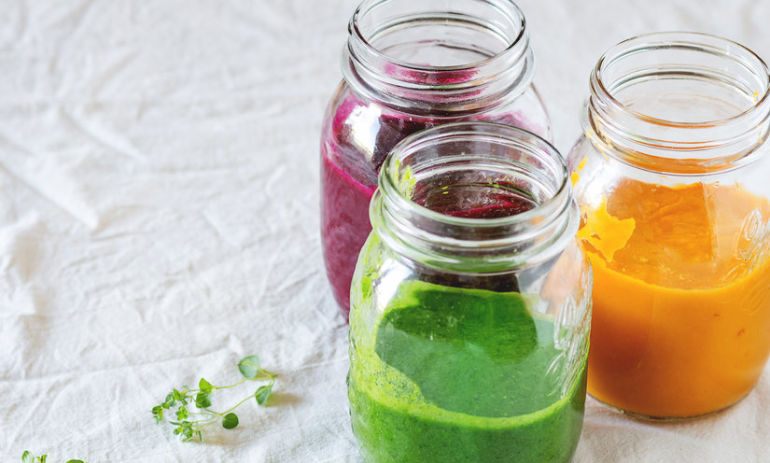
The smoothie is the ultimate quick fix for the girl or guy on-the-go. However, just because it can be poured into a Mason jar does not give you permission to guzzle it down!
When we eat while distracted, the brain doesn’t always get the memo that you have in fact eaten. This can lead to overeating.
Even worse, you don’t want to add stress to the eating equation. When you are stressed, digestion isn’t a priority — say hello to bloating, increased hunger, sweet cravings, fat storage and digestive upset.
As with all meals, we need all eyes on deck! Sit down, calm down, sip slowly, mindfully and savor the taste.
Photo courtesy of the author