Showing posts with label cleaning products. Show all posts

Wednesday, 27 April 2016

The Only Natural Home Cleaners You'll Ever Need Hero Image
A healthy lifestyle comes down to more than just diet and exercise.
We can fill ourselves to the brim with clean water, organic produce, and high-quality superfoods, but if we’re slathering our homes in toxins and laundering our clothes with chemicals, we’re doing ourselves a real disservice.
Some of the most dangerous toxins out there reside in our cleaning products, and we're putting our health at risk by exposing ourselves to them on a daily basis. The formulas in commercial household cleaners can:
Fortunately, there are many natural disinfectant options that won't threaten your health. Here are a few of my favorites:
Hamilton Island 
1. Tea tree oil
This essential oil is incredibly antibacterial and antifungal—it really keeps those germs at bay. Fill a spray bottle with water and a few drops of tea tree oil, then use it to clean your kitchen and bathroom. It will work well on that disgusting mold in the corner of your shower!

2. Peppermint oil

Similar to tea tree, peppermint has plenty of antibacterial properties. If you love the smell of peppermint, add a drop or two to your mop bucket before you clean the floor and your whole house will smell minty fresh.

3. Vinegar

This is one of the quintessential natural cleaning products. Yes, it’s a little smelly, but the odor disappears quickly once you combine it with essential oils. Vinegar helps eliminate household germs and has been shown to be effective in protecting against the flu. Bonus: It also cuts grease!
  JuiceBeauty.com April GWP
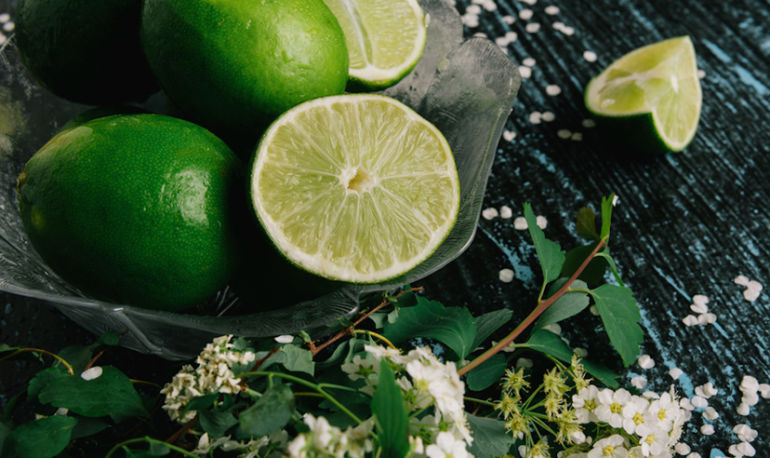
4. Lemon juice
Another natural disinfectant, citric acid can actually combat salmonella and norovirus, particularly when used to wash produce. It’s also a perfect stain remover for counters and cutting boards. Plus, you can rub lemon juice on kitchen surfaces to eliminate bacteria and fill the place with a yummy, lemony scent.

5. Baking soda

No need for Scrubbing Bubbles when you’ve got this one lying around (and most of us already do in our pantries!). Baking soda is a popular deodorizer, and its coarser texture helps scrub grime away without leaving scratches in its wake. Mix it with warm water and vinegar for the best effect.

6. Hydrogen peroxide

Hydrogen peroxide is a fantastic alternative to chlorine bleach, and it has proved effective at killing germs in hospitals and operating rooms. You can use it to clean surfaces and produce, but you must dilute it to a 3 percent concentration first.
Once you switch to nontoxic cleaners, you’ll have a hard time going back to the hard stuff. But don't pour those chemical-based products down the drain just yet—ask your city’s waste disposal department where you can drop them off to be disposed of responsibly.

Thursday, 2 July 2015

10 Sneaky Sources Of Endocrine Disruptors + How To Avoid Them

One sobering fact of modern life: endocrine (hormone) disruptors are everywhere. Occasional contact wouldn’t be a major concern but the trouble is, most of us come into contact with them multiple times in a day.
Many of these toxins either block or promote estrogen and other hormones, so either way, they throw off your hormonal balance. They can affect the way these hormones function in your body, causing numerous problems that many people mistakenly attribute to stress, aging or just normal aches and pains.
How big a role do toxins play in our everyday ills? It’s hard to find good information about how exactly these chemicals affect us because most of the current research has focused only on individual toxins. The problem is, we’re being exposed to thousands of toxins, not just one, and we don’t know for certain how they interact or what their long-term impact is on our endocrine systems. Even if no one knows for sure, we can make some educated guesses.
As a physician, I can tell you that I am seeing more and more young women with breast cancer — a disease that used to be almost completely confined to women over 50. My theory is that because these young women have gotten such massive exposure to endocrine disruptors — starting in the womb — they are now struggling with hormone-related problems that used to take decades to develop.
I don’t want to stress you out or frighten you unduly, but I do want to focus on what you can do to protect yourself from the common chemicals and toxins known specifically as “endocrine disruptors.” Here’s where they hide — and what to do about them:
1. Personal Care Products
Cosmetics, moisturizers, shampoos and conditioners often contain ingredients that disrupt your hormonal balance. To reduce exposure, switch to cleaner, greener personal products, and decrease use in general. Consider wearing less makeup or going without on weekends. Try shampooing less often or cutting your brew to half-strength by adding water to the shampoo bottle — or take it a step further by joining the “no-‘poo” (as in no-shampoo) movement.
2. Drinking Water
Atrazine, arsenic, and perchlorate are three endocrine disruptors that pervade many communities’ drinking water supplies. Reduce contaminants by filtering drinking water with a high-quality filtration system, like those fromAquasana. Also, add water filters to all of your home faucets, including the bath and shower — you absorb disruptive chemicals through your skin (as well as by drinking them) so it’s better not to bathe in them!
3. Canned Foods
Many food cans are lined with BPA, a common endocrine disruptor. To side-step BPA, steer clear of canned foods or, if you must buy them, look for cans marked “BPA-free.” The Environmental Working Group recently released a report on BPA in canned food, listing which brands are the best and worst players.
4. Conventionally Farmed Fruits and Vegetables
Pesticides, herbicides, and industrial runoff turn even healthy produce into endocrine disruptors. Access cleaner food by shopping for local and organic produce at your nearest farmer’s market.
5. Conventionally Farmed Meat, Poultry, and Dairy Products
These commercial foods contain disruptive antibiotics, hormones, and industrial chemicals. To reduce exposure, look for organic, grass-fed, and free range products from small or local farms that are committed to raising animals using methods that are healthier for both the animals and the humans who consume them.
6. High-mercury Fish
Shark, swordfish, king mackerel, marlin, and tilefish are high in mercury and other heavy metals which disrupt hormonal balance and function. Limit consumption to limit exposure and switch to low-mercury fish like anchovies, herring, sardines, whitefish or one of the other low-mercury fish recommended by the Natural Resources Defense Council.
7. Kitchen Products
Common hazards include nonstick cookware, plastic wrap and plastic containers, especially when heated. The less you use them, the better. Instead, store food in glass containers, and cook with less toxic cast iron and ceramic cookware options.
8. Home and Office Cleaning Products
These are frequently loaded with industrial chemicals that disrupt your hormones, so instead, try cleaning with greener alternatives or blend up your own using natural, non-toxic ingredients like old-fashioned soap, lemon, vinegar, etc.
9. Office Products
Toner, solvents, and ink cartridges likewise can throw hormones out of balance, so handle with care and as infrequently as possible.
10. Bank and Register Receipts
Unfortunately, the coating on most cash-register receipts contain endocrine-disrupting BPA, so the less time you spend touching them the better. If you don’t need the receipts, leave them at the store. If you do need them for tax or business purposes, wear gloves to limit exposure when handling them.
For a list of the 12 worst Endocrine Disrupters, plus additional tips on how to avoid them, check out “Dirty Dozen Endocrine Disruptors.”
Photo Credit: Shutterstock