Showing posts with label peppermint oil. Show all posts

Wednesday, 27 April 2016

The Only Natural Home Cleaners You'll Ever Need Hero Image
A healthy lifestyle comes down to more than just diet and exercise.
We can fill ourselves to the brim with clean water, organic produce, and high-quality superfoods, but if we’re slathering our homes in toxins and laundering our clothes with chemicals, we’re doing ourselves a real disservice.
Some of the most dangerous toxins out there reside in our cleaning products, and we're putting our health at risk by exposing ourselves to them on a daily basis. The formulas in commercial household cleaners can:
Fortunately, there are many natural disinfectant options that won't threaten your health. Here are a few of my favorites:
Hamilton Island 
1. Tea tree oil
This essential oil is incredibly antibacterial and antifungal—it really keeps those germs at bay. Fill a spray bottle with water and a few drops of tea tree oil, then use it to clean your kitchen and bathroom. It will work well on that disgusting mold in the corner of your shower!

2. Peppermint oil

Similar to tea tree, peppermint has plenty of antibacterial properties. If you love the smell of peppermint, add a drop or two to your mop bucket before you clean the floor and your whole house will smell minty fresh.

3. Vinegar

This is one of the quintessential natural cleaning products. Yes, it’s a little smelly, but the odor disappears quickly once you combine it with essential oils. Vinegar helps eliminate household germs and has been shown to be effective in protecting against the flu. Bonus: It also cuts grease!
  JuiceBeauty.com April GWP
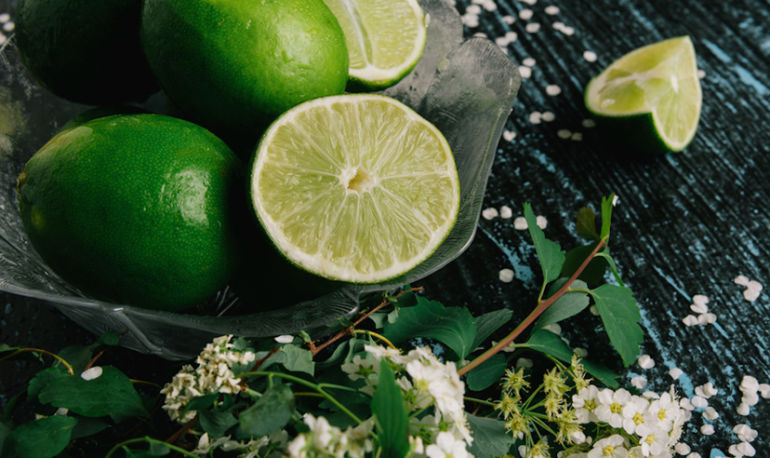
4. Lemon juice
Another natural disinfectant, citric acid can actually combat salmonella and norovirus, particularly when used to wash produce. It’s also a perfect stain remover for counters and cutting boards. Plus, you can rub lemon juice on kitchen surfaces to eliminate bacteria and fill the place with a yummy, lemony scent.

5. Baking soda

No need for Scrubbing Bubbles when you’ve got this one lying around (and most of us already do in our pantries!). Baking soda is a popular deodorizer, and its coarser texture helps scrub grime away without leaving scratches in its wake. Mix it with warm water and vinegar for the best effect.

6. Hydrogen peroxide

Hydrogen peroxide is a fantastic alternative to chlorine bleach, and it has proved effective at killing germs in hospitals and operating rooms. You can use it to clean surfaces and produce, but you must dilute it to a 3 percent concentration first.
Once you switch to nontoxic cleaners, you’ll have a hard time going back to the hard stuff. But don't pour those chemical-based products down the drain just yet—ask your city’s waste disposal department where you can drop them off to be disposed of responsibly.

Wednesday, 9 December 2015

9 Essential Oils + How To Use Them For Clear, Radiant Skin

Essential oils are highly potent, steam-distilled plant extracts. Though completely natural, they must be handled and used with care.
Essential oils are used medicinally by aromatherapists. Like any medicine, these natural chemicals can be harmful if used improperly. It’s important to research any essential oil before using it in your routine. You’ll need to determine its recommended dilution, and check to see if the oil has any restrictions for use. Certain essential oils can be disruptive to medical conditions like pregnancy, high blood pressure, or epilepsy.
As a rule, any essential oil you are working with should be diluted to around 1–3% for use in skin care. That means that the oil needs to be blended with a carrier oil to be used directly, or used in very small proportions in recipes and formulations.
It's important to note that essential oils should be used with extreme care on children and babies. Kids and babies can't process the chemicals in essential oils as easily as adults. If you're, I recommend consulting a doctor or aromatherapist before using or handling any essential oils.
While there are thousands of essential oils available, I tend to lean on a handful of favorites. Choose one or two that suit your skin type, and invest in small bottles of high quality oil.

Rose Essential Oil

The ultimate oil for mature skin care, rose essential oil is treasured for its ability to help soothe and soften. Rose essential oil is soothing to all skin types, and is an excellent addition to any of your most precious facial recipes.

For more on rose essential oil: 3 Reasons To Add Rosehip Oil To Your Skin Care Routine


Geranium Essential Oil

Geranium essential oil makes a great alternative to rose essential oil and is far less expensive. It can still helpbalance skin pH, fight fine lines and wrinkles, and benefit facial recipes. Though any variety of geranium essential oil will do, my personal favorites are rose geranium and geranium bourbon.


For more on geranium essential oil:2-Ingredient Moisturizer For Any Skin Type

Neroli Essential Oil

Neroli essential oil is another great choice for facial care. Like rose essential oil and geranium essential oil, it helps to balance skin’s moisture. Which of the three you choose mostly depends on budget and personal preference.

Personally, I adore the smell of neroli essential oil. It is made from orange blossoms, giving it a delightfully sweet and floral scent.


For more on Neroli essential oil:Want A Healthy, Radiant Complexion? Try These 5 Essential Oils

Roman Chamomile Essential Oil

Roman chamomile essential oil is very effective at soothing itchy, red skin. It also has a calming effect emotionally, which as far as side effects go, is not too shabby.


For more on chamomile essential oil: 3 Must-Have Herbs For Skincare

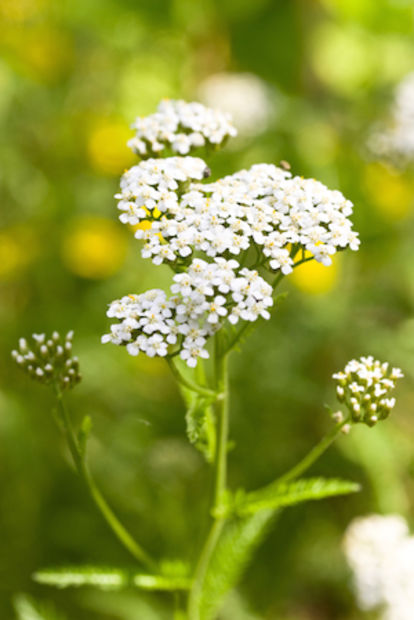
Yarrow Essential Oil

Another great essential oil forsoothing inflamed skin, yarrow is also slightly astringent, making it a good choice for oily or combination skin.

For more on yarrow essential oil: 6 All-Natural Strategies To Keep Your Skin Healthy

Helichrysum Essential Oil

Helichrysum essential oil is expensive, but a worthwhile investment for those fighting acne. It not only possesses potent antibacterial and antifungal properties, it can help reduce scarring. Helichrysum essential oil's restorative properties also make it a good choice for mature skin.

For more on helichrysum essential oil: 4 Essential Oils For Natural Winter Skin Care

Niaouli Essential Oil

Niaouli essential oil is a close relative to tea tree essential oil, an ingredient commonly used to combat acne. While both boast potent antibacterial properties and are excellent for acne-prone and combination skin, niaouli essential oil is more gentle on the nervous system and overall health. I recommend using niaouli essential oil in place of tea tree essential oil in recipes.

For more on niaouli essential oil: A DIY Pedicure Soak For Super-Soft Feet

Peppermint Essential Oil

I use peppermint essential oil in almost all of my lip balm recipes. The hint of cooling mint will make your lips tingle. That stimulating feeling can also benefit tired muscles in your feet, legs, and hands.

A word to the wise though: a little peppermint essential oil goes a long way, so go easy with this particular essential oil. By the way, do not use peppermint essential oil with babies or toddlers.

For more on peppermint essential oil: 13 Common Ailments You Can Treat With Peppermint Oil

Rosemary Essential Oil

Rosemary is a popular essential oil in haircare recipes because it encourages a healthy balance of oils in the scalp. It is believed to discourage dandruff, soothe inflammation, and may even stimulate hair growth.

For more on rosemary essential oil:8 Home-Grown Plants For Naturally Glowing Skin

Excerpted from The Natural Beauty Solution by Mary Helen Leonard. Copyright (c) 2015 by Mary Helen Leonard and Spring House Press.

Photos: iStock, Getty, Stocksy